Graphic design in 2025 is shaping up to be a fascinating blend of technological advancement, a longing for authenticity, and a push for greater inclusivity. Here’s a breakdown of the key trends emerging for the year:

1. AI-Powered Design & AI Realism:
- Integration, not Replacement: AI tools are becoming increasingly integrated into designers’ workflows, acting as powerful assistants for ideation, rapid prototyping, generating variations, and even creating hyper-realistic visuals.
- Speed and Efficiency: AI helps streamline repetitive tasks, freeing up designers to focus on creative direction and more complex problem-solving.
- Surrealism: AI-generated imagery is being used to create dream-like, otherworldly, and thought-provoking visuals, pushing the boundaries of traditional design.
2. The Human Touch: Embracing Imperfection & Authenticity:
- Scrapbooking & Mixed Media: A nostalgic trend involving the physical look of arranging images, textures, abstract shapes, handwritten elements, torn paper edges, and stickers. It brings a personal, tactile, and human feel.
- Hand-Drawn & Doodles: The unwavering power of hand-drawn logos, illustrations, and quirky sketches is making a strong comeback. This brings warmth, personality, and a sense of being handmade, particularly appealing to craft and artisanal businesses.
- Textured Grains & Imperfections: A rejection of hyper-perfection, this trend uses smudges, fingerprints, noise overlays, and rough strokes to add depth, movement, and a raw, edgy feel. It evokes vintage film reels or well-worn surfaces.
- “Chicken Scratch” & Anti-Design: This deliberately crude or careless aesthetic, with loose, shaky lines and digitally native mark-making (like iPad doodles or Microsoft Paint lines), challenges traditional notions of polished design, reflecting a more casual, thrown-together online aesthetic.
3. Boldness & Expressiveness:
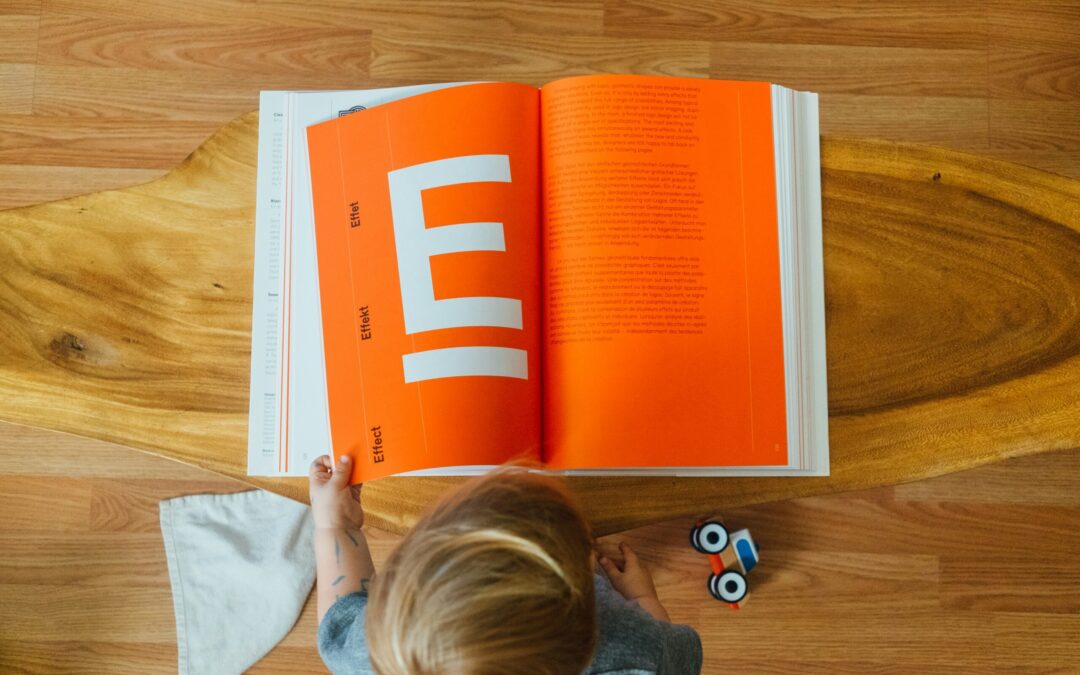
- Expressive & Bold Typography: Fonts are getting bigger, bolder, and more experimental. Typography isn’t just supporting the design; it is the design, with distorted letterforms, layered text, and unconventional spacing.
- Maximalism & “More is More”: After years of minimalism, maximalism is returning with bold color palettes, layered visuals, intricate patterns, and eclectic typography. It’s about celebrating excess and demanding attention.
- Bold Minimalism / Minimalist Maximalism: A fascinating hybrid where a minimal number of elements are amplified to be bigger, bolder, and more striking. It’s about combining clean compositions with unexpected, high-impact elements and strong contrasts.
- Unconventional Color Combinations / Hypercolor: Muted palettes are giving way to hyper-saturated hues, jarring contrasts, and artificial, almost radioactive color combinations. Think bold neon colors on dark backgrounds or unexpected pairings.
- Maximum Contrast: Using colors that pack a punch and explore the extremes of saturation and contrast.
4. Nostalgia & Retro Revivals:
- Retro Serif Branding: The charm of old-school serif fonts combined with modern layouts to create a sense of nostalgia with a fresh twist.
- Pixelated Fonts & Branding (Nostalgic Networks): Tapping into the retro-tech era of simple color schemes and uncluttered layouts, blending old-school computer vibes (e.g., pixelated fonts, ASCII art) with modern design elements.
- Retro-Futurism: Merging nostalgic elements from the past (e.g., 80s aesthetics) with futuristic concepts, often seen with neon glows, metallic sheens, and space-age hues.
- 80s Revival (Synthwave): Bringing back bold, blocky pixel art, high contrast neon colors, silhouettes, and setting suns for a bright, bold, and electrifying feel.
- Contemporary Nouveau: Blending the elegance of 1920s Art Nouveau with modern elements, featuring ornamental patterns and floral motifs paired with bold typography and flat colors.
5. Purpose-Driven Design:
- Diversity & Inclusion: A strong emphasis on creating graphics that are accessible and considerate of diverse audiences. This includes incorporating visuals that represent different cultures, abilities, and perspectives, and ensuring designs are easy to read and navigate for everyone (e.g., high-contrast color palettes).
- Sustainable Design / Rewilding Design: Embracing climate awareness and infusing designs with natural elements, textures, and earthy color palettes. This includes organic shapes, flowing lines, and conscious design practices like modular components for reusability.
- Biophilic Design: Integrating natural elements like lush greenery, botanical patterns, earthy textures, and organic shapes into digital and print materials to evoke calm and connection to nature.
6. Dynamic & Immersive Experiences:
- 3D Design & Motion Graphics: Continues to be a significant trend, with easier-than-ever tools to create immersive and sophisticated visuals, animations, and interactive web experiences. Expect more kinetic typography and looping videos.
- Custom Shape Cropped Photos: Moving beyond standard rectangles and circles, photos are being cropped into unique, creative shapes for more flexible and characterful design elements.
- Liquid Gradients & Graphics: Fluid textures, shapes, and colors that flow, creating depth and life, often used for backgrounds and posters.
- Augmented Reality (AR) & Virtual Reality (VR) Integration: Brands will increasingly use AR/VR for product visualization, social media filters, virtual try-ons, and immersive billboards.
In summary, 2025’s graphic design trends are about balancing the polished with the raw, the futuristic with the nostalgic, and the technological with the human. Designers are embracing AI as a creative partner while also returning to tactile, authentic, and inclusive aesthetics.